
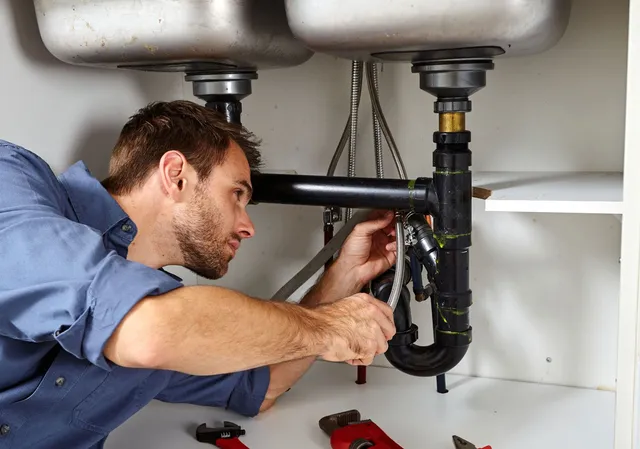
When faced with a plumbing issue in your home, one of the most pressing questions that arise is whether to repair the existing system or to opt for a complete installation of new fixtures, pipes, or equipment. Plumbing problems range from minor leaks to more significant issues like pipe bursts or water heater failures, and understanding the difference between repair and installation, as well as knowing when each is appropriate, is essential for homeowners. Whether you’re dealing with a faulty faucet, a clogged drain, or a malfunctioning water heater, making the right choice can save you time, money, and frustration. In this article, we’ll explore both plumbing repair and installation, offering insights into when each option is most effective and how to make an informed decision for your home.
The Role of Plumbing Repairs
Plumbing repairs are often the first solution considered when a problem arises. A repair involves fixing an existing plumbing system or appliance to restore it to its original, functioning state. This approach is generally more cost-effective, faster, and less invasive than installation. However, not every plumbing issue is suitable for a repair, and understanding the limitations of this method is crucial.
Common Plumbing Repairs
Some of the most common types of plumbing repairs include:
-
Pipe Leaks: One of the most frequent plumbing issues, pipe leaks, can occur for several reasons, including age, corrosion, or physical damage. Depending on the extent of the leak, a plumber may patch the hole, replace a section of the pipe, or use a more advanced technique like trenchless pipe repair.
-
Clogged Drains: Over time, drains can become clogged with grease, hair, soap scum, and other debris. Repairing a clogged drain can range from using a plunger or drain snake to more complicated methods like hydro-jetting or pipe snaking if the blockage is deep within the system.
-
Faulty Faucets or Fixtures: Faucets, showerheads, and other plumbing fixtures can wear out over time due to regular use. Replacing washers, cartridges, or seals within the faucet or fixture can restore normal operation.
-
Water Heater Repairs: When a water heater malfunctions, the issue might be as simple as a broken thermostat or a faulty heating element. A plumber can often repair these parts rather than replace the entire unit, especially if the water heater is relatively new.
-
Running Toilets: A running toilet is a common issue that can waste significant amounts of water. In many cases, the problem is due to a worn-out flapper, valve, or fill valve, all of which can be repaired without needing to replace the entire toilet.
When to Choose a Repair
Choosing a repair is generally the best course of action when the issue is relatively minor, and the plumbing system is otherwise in good condition. Repairs are ideal if the problem is localized, such as a single pipe leak or a clogged drain, and if the system has not suffered from extensive wear and tear.
Additionally, repairs are often the preferred option when time and budget are limited. They can usually be completed quickly and with fewer disruptions to your daily life compared to a full installation. However, repairs do have their limits. If the plumbing system is old, damaged beyond a certain point, or if repairs are recurring, it may be time to consider a replacement instead of continual fixes.
The Case for Plumbing Installation
Plumbing installations, on the other hand, involve the complete replacement of a plumbing fixture, appliance, or even an entire system. While installation is often more expensive and disruptive than repairs, it may be necessary in cases where the existing plumbing is outdated, inefficient, or irreparably damaged.
Common Plumbing Installations
Some of the most common types of plumbing installations include:
-
Water Heater Installation: While many water heater problems can be repaired, sometimes replacing an outdated or failing unit is more cost-effective in the long run. Modern water heaters are more energy-efficient and can offer significant savings on utility bills compared to older models.
-
Repiping: If your home has old galvanized pipes, which are prone to corrosion and rust, a repiping project may be necessary. Repiping involves replacing old pipes with new materials, such as copper or PEX, to prevent leaks, improve water flow, and avoid future plumbing issues.
-
Sewer Line Replacement: When sewer lines crack or become damaged due to tree roots, shifting soil, or general wear, replacing the sewer line is often the only option. This installation can be costly and labor-intensive but is crucial for maintaining a functional plumbing system.
-
New Plumbing Fixtures: If you are remodeling or upgrading your kitchen or bathroom, you may need to install new plumbing fixtures, such as sinks, faucets, showers, and tubs. This can include both the physical installation of the fixture and the necessary adjustments to the plumbing connections.
-
Water Filtration Systems: Installing a whole-house water filtration system or point-of-use filters in kitchens and bathrooms can improve water quality, particularly in areas with hard water or concerns about contaminants. This installation ensures that the water supply is clean and safe for consumption.
When to Choose Installation
Opting for installation is generally the best choice when a system or appliance is beyond repair or if the existing plumbing is outdated and inefficient. While plumbing repairs can often extend the life of older systems, they may not resolve underlying issues like corrosion, inefficient water flow, or outdated technology. In these cases, installation may be the more cost-effective long-term solution.
For example, if you have an old water heater that is prone to frequent breakdowns and repairs, replacing it with a newer, more energy-efficient model could significantly reduce your energy bills and minimize the risk of future failures. Similarly, if your home’s pipes are deteriorating and constantly causing leaks, it may be more economical to repipe the entire system rather than continually repairing individual leaks.
Another situation where installation is necessary is during remodeling or renovation projects. Whether you are upgrading a bathroom or kitchen, new plumbing fixtures and appliances are often required to ensure functionality and aesthetic appeal.
Factors to Consider When Deciding Between Repair and Installation
Several factors can help guide your decision between plumbing repair and installation. Here are some key considerations:
-
Cost: Repairs are typically more affordable in the short term, but if the system is aging or requires repeated fixes, installation might provide better value in the long run. Weigh the costs of continued repairs versus the cost of installation.
-
Age and Condition of the System: Older plumbing systems may need to be replaced, especially if they are corroded, damaged, or inefficient. If your plumbing is in good condition but just needs a minor fix, a repair is likely sufficient.
-
Frequency of Problems: If you find yourself frequently repairing the same issue, it may be a sign that a replacement is needed. Constant repairs can add up over time, making installation a more cost-effective solution.
-
Time and Disruption: Installations often take longer and cause more disruption to your home. If you need a quick solution with minimal disruption, a repair may be the better choice.
-
Energy Efficiency: Newer systems, such as energy-efficient water heaters or low-flow fixtures, can save you money in the long term by reducing water and energy consumption. If your current system is outdated, installation may provide long-term savings.
Conclusion
In plumbing, both repairs and installations have their place, and the best option depends on the specific situation at hand. If you’re dealing with a minor issue and the system is relatively new or in good condition, a repair is often the most cost-effective and practical solution. However, if the plumbing is outdated, frequently breaking down, or inefficient, installation may be the best choice for improving your home’s overall functionality and saving on future repairs.
By carefully considering the age and condition of your plumbing system, the nature of the problem, and your long-term goals, you can make an informed decision that will keep your home’s plumbing running smoothly and efficiently for years to come. Whether you opt for a repair or an installation, understanding your options ensures that you’re making the right investment for both your home and your budget.
