
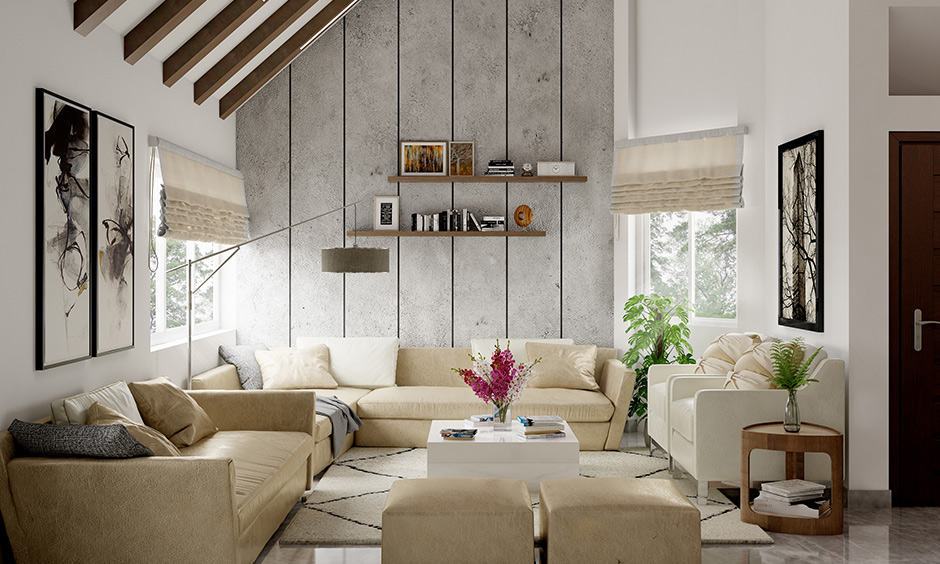
Home decor is more than arranging furniture or adding accessories—it’s about shaping a space that reflects personality, supports daily routines, and creates comfort. A thoughtfully decorated home improves mood, enhances functionality, and makes everyday living more enjoyable.
Whether you’re refreshing a single room or redesigning your entire house, the right decor approach balances style, usability, and long-term practicality.
Understanding the Role of Home Decor
Home decor shapes how a space feels and functions. It influences lighting, movement, comfort, and even productivity.
Effective decor planning helps:
- Improve room organization
- Enhance visual harmony
- Maximize available space
- Increase relaxation and comfort
- Reflect personal taste naturally
A well-designed home supports both everyday living and special occasions.
Choosing a Cohesive Color Scheme
Color is one of the most powerful elements in interior styling. It affects mood and perception of space.
To create a balanced palette:
- Choose one dominant base color
- Add two complementary accent shades
- Use neutral tones to maintain flexibility
- Keep darker colors for grounding larger spaces
- Introduce brighter colors through accessories
Consistent color flow between rooms makes a home feel connected and intentional.
Selecting Functional Furniture That Fits Your Lifestyle
Furniture should support both comfort and movement within a room.
Practical furniture choices include:
- Multi-purpose storage beds
- Foldable dining tables
- Sectional sofas for flexible seating
- Floating shelves for compact spaces
- Storage benches near entryways
Selecting the right furniture size prevents overcrowding and keeps rooms open and breathable.
Using Lighting to Transform Atmosphere
Lighting changes how a space feels instantly. A layered lighting approach improves both appearance and functionality.
Combine multiple lighting sources such as:
- Ambient ceiling lights for overall brightness
- Task lighting for reading or working
- Accent lighting for highlighting decor features
- Warm lights for relaxation zones
Balanced lighting creates depth and visual comfort throughout the home.
Decorating Walls Without Overcrowding the Space
Walls provide opportunities to express personality without occupying floor space.
Smart wall decor ideas include:
- Framed artwork collections
- Floating shelves
- Statement mirrors
- Textured wall panels
- Fabric hangings for softness
Leaving some wall areas empty helps maintain visual clarity.
Adding Indoor Plants for Freshness and Balance
Plants improve both air quality and aesthetics while introducing natural texture indoors.
Popular indoor plant options:
- Snake plant
- Areca palm
- Pothos
- Peace lily
- Rubber plant
Place plants near windows, corners, or entryways to create a welcoming environment.
Creating Comfortable and Inviting Textures
Texture adds warmth and depth to interiors even when using neutral colors.
You can introduce texture through:
- Rugs and carpets
- Cushion covers
- Curtains
- Wooden furniture
- Woven baskets
Layering textures prevents rooms from feeling flat or overly uniform.
Organizing Decorative Accessories Thoughtfully
Accessories should enhance a room rather than clutter it.
Keep styling effective by:
- Grouping items in sets of three
- Mixing heights and materials
- Leaving breathing space between objects
- Rotating seasonal decor occasionally
Intentional placement makes accessories look curated instead of crowded.
Designing Entryways That Make a Strong First Impression
The entryway sets the tone for the rest of the home.
Simple upgrades include:
- A narrow console table
- Wall hooks for daily essentials
- A mirror for brightness
- A compact shoe rack
- Soft lighting fixtures
Even a small entry space can feel welcoming with thoughtful details.
Maintaining a Clutter-Free Decor Style
A clean environment improves comfort and visual appeal.
Helpful habits include:
- Storing unused items regularly
- Choosing furniture with hidden storage
- Limiting decorative objects per surface
- Refreshing layouts every few months
Consistency keeps decor looking fresh without frequent purchases.
FAQ
1. How often should home decor be updated?
Minor updates like cushion covers, wall art, or lighting changes can be refreshed seasonally, while larger furniture changes are usually done every few years.
2. What is the easiest way to refresh a room without buying new furniture?
Changing curtains, rearranging layouts, adding plants, or updating lighting can create noticeable improvements quickly.
3. How can mirrors improve interior spaces?
Mirrors reflect light, make rooms appear larger, and enhance brightness naturally when placed opposite windows.
4. Should every room follow the same decor theme?
Rooms can have unique identities, but maintaining consistent colors or materials across spaces creates harmony.
5. What type of flooring works best with most decor styles?
Neutral wood finishes, stone textures, or matte tiles adapt well to both modern and traditional interiors.
6. How can small homes look more spacious through decor?
Use lighter color palettes, vertical storage, reflective surfaces, and minimal furniture arrangements.
7. Is symmetry important in interior styling?
Symmetry creates balance and calmness, but combining symmetrical layouts with a few contrasting elements adds visual interest.
