
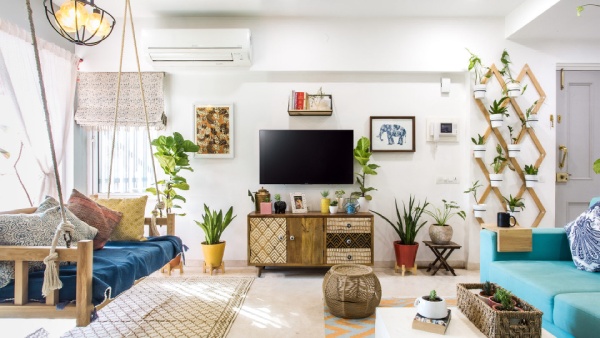
In recent years, home décor has undergone a remarkable transformation, reflecting deeper cultural shifts, technological advancements, and a growing desire for personal expression. No longer bound by rigid design rules or cookie-cutter styles, today’s aesthetic trends embrace fluidity, sustainability, and the nuances of individual taste. This shift signals more than a change in color palettes or furniture choices—it marks a philosophical evolution in how we view and curate our personal spaces. From biophilic design to the rise of quiet luxury, the new wave of aesthetics is redefining how homes feel, function, and communicate identity.
One of the most prominent trends reshaping interiors is the integration of biophilic design, which seeks to strengthen the connection between humans and nature. This concept is not entirely new, but its execution in home décor has become more refined and intentional. Designers are incorporating natural materials like reclaimed wood, rattan, stone, and clay to create spaces that feel grounded and restorative. Beyond materials, the use of large indoor plants, living walls, and strategically placed greenery reflects a desire to bring the outside in—not just visually, but emotionally. Natural light is prioritized through the use of oversized windows and skylights, reinforcing the wellness-focused ethos of the biophilic trend.
Simultaneously, quiet luxury has emerged as a counter-response to maximalism and fast fashion-inspired interiors. This trend prioritizes subtle elegance, emphasizing craftsmanship, understated design, and timeless materials. Think cashmere throws draped over a neutral-toned sofa, sculptural furniture pieces in oak or travertine, and an overall palette that leans into soft taupes, greys, and creams. It’s a look that whispers rather than shouts, appealing to those who value depth over flash. Quiet luxury also aligns with a more sustainable mindset—investing in fewer, better things rather than following ephemeral design fads.
Another transformative force in home aesthetics is the rise of personalized eclecticism. Homeowners are increasingly rejecting one-size-fits-all interior templates in favor of curated spaces that reflect their histories, travels, and personalities. This has led to a delightful blend of vintage and modern elements, global and local influences, and the use of bold colors and patterns that once may have been considered “clashing.” The eclectic approach allows for storytelling—artifacts collected over time, heirloom furniture pieces paired with contemporary accents, and art that reflects personal passions. The result is a home that feels truly lived in, layered, and authentic.
The role of technology in aesthetic transformation cannot be overlooked. Smart homes are becoming increasingly integrated into décor, not just functionally but visually. Designers now craft interiors where technology is seamlessly woven into the design—smart mirrors that adjust lighting for grooming routines, minimalist speakers that double as sculpture, or motorized window treatments that respond to voice commands. Even ambient lighting has evolved, with customizable LED systems that can shift in hue and intensity to match the time of day or mood. This fusion of beauty and function signals a future where technology enhances ambiance rather than detracts from it.
Meanwhile, the Japandi aesthetic—a fusion of Japanese minimalism and Scandinavian functionality—has steadily gained momentum. It emphasizes simplicity, natural materials, and a muted color scheme, offering a peaceful reprieve from the chaos of the outside world. What sets Japandi apart is its emotional resonance: it champions intentional living, mindfulness, and the art of decluttering not just spaces, but mental states. Furniture is low-slung and purposeful; accessories are minimal but meaningful. It’s a style that doesn’t demand attention, yet quietly commands it.
Sustainability continues to be a defining thread throughout modern home aesthetics. The demand for eco-conscious materials has shifted from niche to norm. Consumers are looking for products with low environmental impact, whether that means upcycled wood, recycled glass, or non-toxic paints. In parallel, interest in vintage and antique furnishings is on the rise—not only for their character and craftsmanship but also for their sustainability. Choosing pre-loved items over mass-produced ones aligns with an ethos of reuse and respect for the environment, all while adding a layer of narrative richness to a space.
Another subtle but significant trend is the return to color as emotion. While minimalism has dominated interiors for the past decade, a new appreciation for color theory is shaping décor decisions. Designers are leaning into palettes that evoke specific moods: terracotta and ochre for warmth, sage and slate for tranquility, deep blues for introspection. The emphasis is not on following a specific color trend but on harnessing color as a means of emotional expression. Walls, upholstery, and even kitchen cabinetry are being used as canvases to create feelings as much as aesthetics.
Art has also taken on a more immersive role in interior spaces. Beyond framed pieces, there is growing interest in textural and sculptural art forms—wall hangings, ceramic installations, and textile-based works that add dimensionality and depth. These elements blur the line between utility and art, such as lighting fixtures that resemble kinetic sculptures or mirrors with irregular, organic shapes. The home is no longer just a place to display art; it becomes art itself.
In this evolving landscape of home décor, what’s perhaps most refreshing is the growing emphasis on individuality over perfection. The curated imperfection of hand-thrown ceramics, the raw edge of a live-edge table, the layering of textures and materials that defy symmetry—these all point to a deeper human craving for authenticity and warmth. As trends continue to shift, the most enduring aesthetic principle appears to be this: a home should be a reflection of the people who inhabit it, not a showroom or a static catalog page.
Ultimately, these new aesthetic trends represent more than stylistic choices; they speak to how we live, how we care for ourselves, and how we want to feel in our homes. They suggest a future where beauty, function, and meaning coalesce in ever more thoughtful and innovative ways—a future where home is not just where the heart is, but where the soul finds its sanctuary.
