
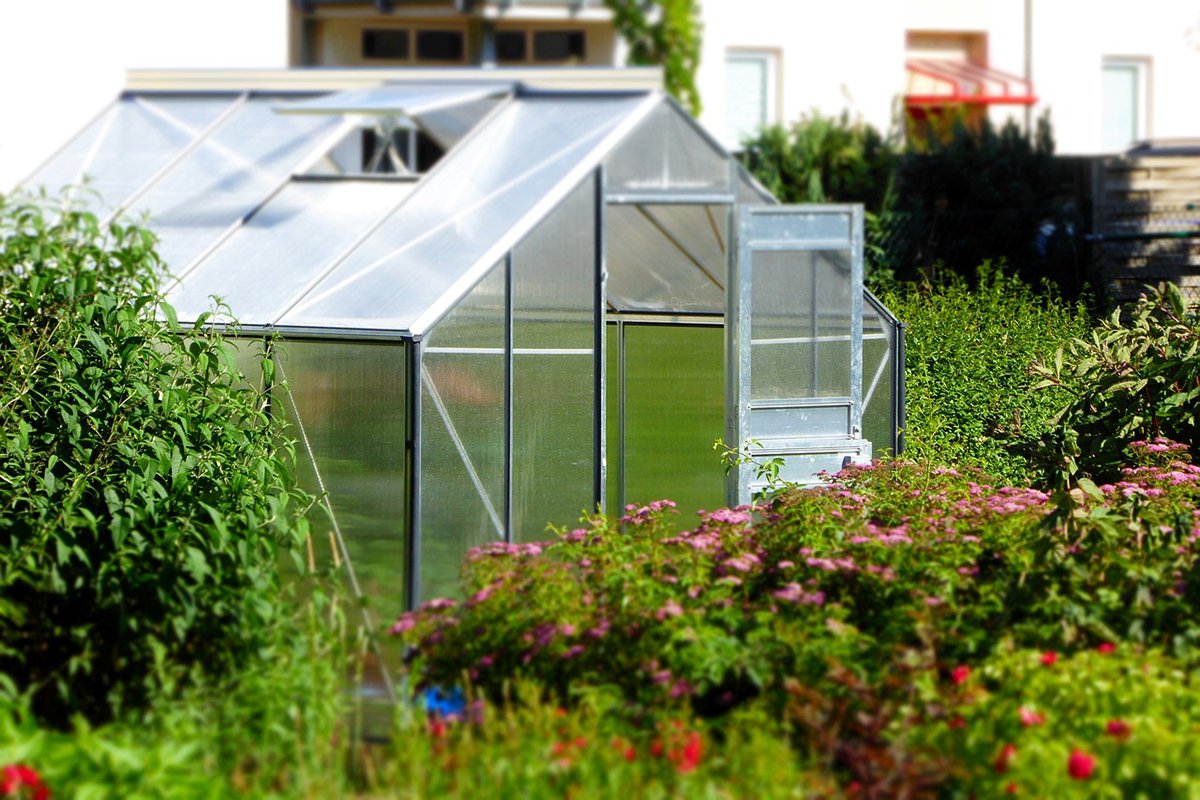
In an age where sustainability and self-sufficiency are increasingly valued, the concept of improving your home with seeds and a greenhouse presents a compelling vision for both practical and aesthetic enhancement. Whether you’re an experienced gardener or a complete novice, integrating a greenhouse into your home environment can dramatically enhance the beauty, functionality, and ecological impact of your living space. By harnessing the power of seeds and a well-maintained greenhouse, you can transform your home into a vibrant, green sanctuary that not only contributes to your well-being but also to the planet’s health.
The Benefits of a Greenhouse for Your Home
Before delving into the specifics of how to improve your home with seeds and a greenhouse, it’s important to understand the multitude of benefits that come with having your own garden space, especially one that’s enclosed and protected. A greenhouse offers a controlled environment that allows you to grow a wide variety of plants that might not thrive outdoors due to seasonal shifts or climate limitations.
-
Year-Round Growing: The primary benefit of a greenhouse is the ability to grow plants year-round. By regulating temperature and humidity, a greenhouse creates an ideal environment for your plants, protecting them from extreme weather conditions. Whether it’s the middle of winter or the peak of summer, your greenhouse allows you to grow fresh vegetables, herbs, and flowers at any time.
-
Improved Air Quality: Indoor plants naturally filter the air, absorbing carbon dioxide and releasing oxygen, creating a healthier environment. With a greenhouse in your home, you can increase the number of plants in your living space, thus improving indoor air quality. This can lead to better respiratory health and an overall improved sense of well-being.
-
Aesthetic Appeal: A well-maintained greenhouse can enhance the visual appeal of your home, adding a touch of natural elegance and creating a peaceful, calming space. The vibrant colors of blooming flowers, the rich greens of growing vegetables, and the aroma of fresh herbs create a serene atmosphere that makes any home feel more inviting.
-
Sustainability and Self-Sufficiency: Growing your own food not only reduces your carbon footprint but also provides a sense of accomplishment and independence. A greenhouse allows you to grow organic produce, reducing reliance on store-bought vegetables and herbs that may have been transported long distances. This is not just economically advantageous; it’s a step towards a more sustainable and eco-conscious lifestyle.
Choosing the Right Seeds for Your Greenhouse
The first step in improving your home with a greenhouse is selecting the right seeds. While a greenhouse allows you to grow almost anything, choosing plants that are suited to your personal preferences and the available space will ensure success.
-
Vegetables: A greenhouse is ideal for growing vegetables that need a longer growing season or protection from fluctuating weather. Consider starting with easy-to-grow options like tomatoes, cucumbers, and peppers. Leafy greens such as lettuce, kale, and spinach are also great choices, as they thrive in cooler greenhouse conditions. For more advanced gardeners, herbs like basil, thyme, and mint can be grown throughout the year, providing fresh ingredients for your kitchen.
-
Fruits: If you have the space and the right conditions, a greenhouse can be a great place to grow fruits like strawberries, citrus, or even figs. However, fruit-bearing plants often require more attention in terms of temperature and humidity, so they might not be suitable for every greenhouse environment. That said, with careful monitoring, fruit plants can thrive, providing delicious and fresh harvests.
-
Flowers: For those looking to add beauty and color to their homes, a greenhouse is the perfect setting for growing a wide variety of flowers. From perennial favorites like roses and geraniums to vibrant annuals such as marigolds and petunias, the possibilities are endless. Flowers can also serve as a natural air freshener, with their delightful fragrances filling the greenhouse and your home.
-
Herbs: Herbs are some of the most versatile and rewarding plants to grow in a greenhouse. Not only do they add flavor and aroma to your culinary creations, but many herbs, such as lavender, rosemary, and thyme, also have medicinal or therapeutic benefits. By cultivating a dedicated herb section in your greenhouse, you can create your own herbal remedies, teas, and homemade oils.
Creating the Perfect Greenhouse Environment
Now that you’ve selected your seeds, it’s time to create the perfect environment for them to thrive in. A greenhouse provides you with the tools to control temperature, humidity, and light, but how you manage these elements will determine the success of your plants.
-
Temperature Control: Most plants in a greenhouse require a temperature range between 65°F and 75°F (18°C to 24°C) during the day, with cooler temperatures at night. Consider installing a thermostat or automated ventilation system to regulate the temperature effectively. In colder climates, you may also want to invest in supplemental heating, such as electric heaters or propane heaters, to maintain warmth during winter months.
-
Humidity Control: Humidity plays a crucial role in the growth of plants, especially for tropical or moisture-loving species. A humidifier can help maintain optimal moisture levels, preventing plants from becoming too dry. Conversely, high humidity can lead to mold and mildew, so it’s essential to have proper ventilation systems and fans in place to reduce excess moisture.
-
Lighting: Natural sunlight is vital for plant growth, but during the shorter days of winter or on overcast days, supplemental grow lights may be necessary. LED grow lights are a great option, as they provide the right spectrum of light for photosynthesis while using less energy. For plants that require direct sunlight, make sure your greenhouse is positioned in an area that gets ample light throughout the day.
-
Airflow and Ventilation: Stagnant air can promote the growth of harmful pathogens, so ensuring adequate airflow is vital. Install roof vents, side vents, or windows that can open to allow fresh air to circulate. For larger greenhouses, consider installing an automatic venting system that opens and closes based on temperature or humidity readings.
Maximizing the Use of Space
In a greenhouse, space is precious. Whether your greenhouse is a modest structure or a sprawling setup, maximizing space is key to growing as many plants as possible while maintaining an organized, aesthetically pleasing environment.
-
Vertical Gardening: One of the most efficient ways to use space in a greenhouse is through vertical gardening. Using trellises, hanging baskets, and wall-mounted planters, you can grow climbing vegetables like tomatoes, cucumbers, and peas, as well as flowers and herbs. Vertical gardening not only saves space but also adds a dynamic, attractive element to the greenhouse.
-
Raised Beds and Containers: Raised beds allow for better soil drainage and reduce the need to bend over when tending to plants. They also give you the flexibility to control the soil quality and ensure optimal growing conditions for your plants. For smaller greenhouses, container gardening is another excellent way to grow plants, as pots can be moved around and rearranged to suit the available space.
-
Proper Organization: Ensure that your greenhouse is well-organized by setting up shelves, hooks, or storage cabinets for tools, pots, and plant supplies. Keeping your tools within easy reach will make gardening tasks more efficient and enjoyable. In addition, regular cleaning and maintenance of your greenhouse will keep it tidy and ensure that plants have the best possible growing conditions.
Conclusion: A Greenhouse as an Extension of Your Home
Incorporating seeds and a greenhouse into your home is more than just a gardening project—it’s a lifestyle change that enhances the beauty, sustainability, and functionality of your living space. By growing your own food, flowers, and herbs, you create a haven of freshness and tranquility that can positively impact your mental and physical health. Whether you’re looking to add color to your home, grow your own organic produce, or reduce your ecological footprint, a greenhouse offers endless possibilities. With the right planning, care, and investment in the right seeds, you can transform your home into a vibrant, sustainable space that nurtures both you and the planet.
