
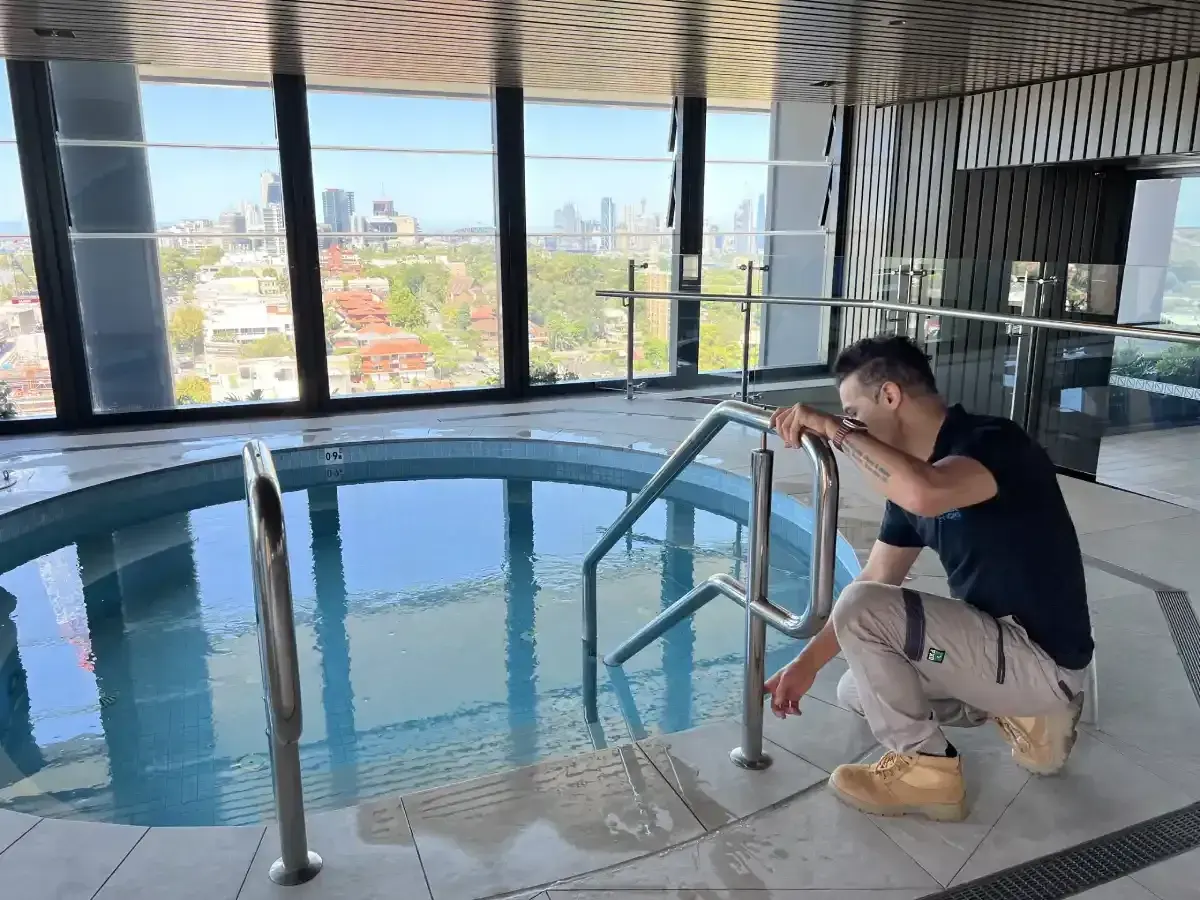
Owning a swimming pool in New South Wales comes with legal responsibilities. State laws require every pool and spa to meet strict safety standards, and property owners must keep their pools compliant at all times. Understanding these rules protects your family, your visitors, and your finances. Resources such as https://www.poolcertify.com.au/ can help you confirm your pool meets the current requirements.
Pool safety laws in NSW are governed by the Swimming Pools Act 1992 and the Swimming Pools Regulation 2018. These rules apply to any pool or spa capable of holding water deeper than 300mm, including inflatable and portable pools. Every property with a pool must be registered on the NSW Swimming Pool Register, and services like https://www.poolcertify.com.au/ can guide you through registration and inspection.
Before you sell or lease a property with a pool, you need a valid Certificate of Compliance or Occupation Certificate. A visit to https://www.poolcertify.com.au/ explains how these documents work and what inspectors look for. Getting the paperwork right early saves you time and stress at settlement.
Compliance Requirements for Homeowners
As a homeowner, you carry the responsibility for pool safety. Your obligations include:
- Registering your pool on the NSW Swimming Pool Register.
- Maintaining a compliant safety barrier around the pool at all times.
- Displaying a current CPR sign that is clearly visible from the pool area.
- Keeping gates and latches in working order so they close and lock automatically.
Failing to meet any of these can put you at risk of penalties and, more importantly, endanger young children.
Pool Fencing Regulations
Fencing is the most heavily regulated part of pool safety in NSW. The barrier must be at least 1.2 metres high, with no gaps larger than 100mm at the base. Gates must open outward, away from the pool, and self-close and self-latch from any position.
You must also keep a non-climbable zone clear. This means no chairs, pot plants, or objects within 900mm of the fence that a child could use to climb over. Check your barrier regularly, because worn hinges or loose panels can quickly make it non-compliant.
Inspection Process
Pool inspections are carried out by your local council or an accredited private certifier. During an inspection, the assessor checks the barrier, gates, signage, and surrounding area against the current standard.
If your pool passes, you receive a Certificate of Compliance valid for three years. If issues are found, you get a written report listing repairs. Once you fix these, a re-inspection confirms compliance.
Penalties for Non-Compliance
Non-compliance carries real consequences. On-the-spot fines can reach $550, while court-imposed penalties may climb to $5,500 for serious breaches. Selling or leasing a property without valid certification can also delay or derail a transaction.
The Bottom Line
Pool compliance in NSW protects lives and keeps you on the right side of the law. Register your pool, inspect your barrier often, and arrange certification well before you sell or lease. A quick review today can spare you fines and give you peace of mind all season long.
