
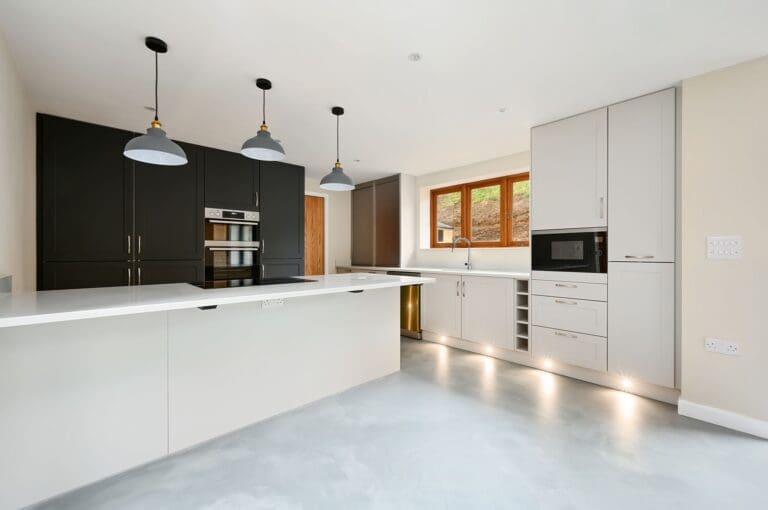
Kitchen layout shapes how smoothly everyday tasks unfold—from preparing breakfast to cleaning after dinner. A thoughtfully planned arrangement reduces movement, saves time, and makes cooking more comfortable. When the layout supports natural task flow, even routine activities feel easier and more efficient.
Because the kitchen is one of the most frequently used spaces in a home, its structure directly influences productivity, safety, and comfort throughout the day.
Why Kitchen Layout Matters for Daily Efficiency
A kitchen layout determines how easily you move between preparation, cooking, cleaning, and storage areas. When these zones are positioned logically, tasks feel seamless rather than tiring.
An efficient layout helps:
- Reduce unnecessary walking
- Improve access to essential tools
- Prevent crowding during busy hours
- Support multitasking smoothly
- Minimize physical strain over time
Even small layout adjustments can noticeably improve daily routines
The Role of the Kitchen Work Triangle
One of the most practical layout principles is the work triangle, which connects three essential stations:
- Sink
- Stove
- Refrigerator
Positioning these points within comfortable distance reduces unnecessary steps and improves workflow speed. When properly balanced, this triangle allows movement without interruptions or congestion.
A well-designed triangle supports:
- Faster meal preparation
- Safer cooking movement
- Easier cleaning transitions
It remains a reliable planning strategy in both compact and spacious kitchens.
How Layout Zones Improve Task Organization
Modern kitchens often follow a zone-based layout approach, where activities are grouped into dedicated areas.
Typical kitchen zones include:
- Preparation zone (cutting and mixing)
- Cooking zone (stove and oven)
- Cleaning zone (sink and dishwasher)
- Storage zone (pantry and cabinets)
Separating these functions helps multiple people use the kitchen comfortably at the same time
Comparing Popular Kitchen Layout Type
Different layouts support different household needs. Choosing the right one improves workflow dramatically.
L-Shaped Layout
This layout uses two connected walls and keeps the center space open.
Benefits include:
- Flexible movement
- Space for dining integration
- Comfortable multi-user access
It works especially well in medium-sized homes.
U-Shaped Layout
Three surrounding walls create a compact and efficient workspace.
Advantages:
- Maximum storage capacity
- Shorter walking distances
- Strong workflow structure
Ideal for frequent cooking routines.
Galley Layout
Two parallel counters create a streamlined workspace.
Key strengths:
- High efficiency in small spaces
- Minimal movement between zones
- Strong task focus
Best suited for narrow kitchens or apartments.
Island Layout
A central island adds flexibility and improves workflow flow.
Common island uses:
- Food preparation
- Casual seating
- Additional storage
- Serving space
It encourages interaction while cooking and supports multitasking easily
How Traffic Flow Influences Daily Comfort
Traffic flow refers to how people move through the kitchen during daily use. Poor traffic patterns often cause congestion and interruptions.
An effective traffic layout should:
- Keep walkways clear
- Separate cooking and passing zones
- Allow refrigerator access without blocking work areas
- Prevent overlap between cleaning and prep activities
Smooth movement reduces stress during busy household routines.
The Importance of Counter Space Placement
Countertops support nearly every kitchen activity. Their placement matters as much as their size.
Strategic counter positioning helps:
- Improve food preparation speed
- Reduce clutter buildup
- Support appliance accessibility
- Keep frequently used tools nearby
Extra counter space near the stove and sink makes daily cooking noticeably easier.
Storage Accessibility and Workflow Speed
Convenient storage placement saves time throughout the day. When frequently used items remain within reach, movement becomes more natural and efficient.
Helpful storage strategies include:
- Placing utensils near cooking areas
- Keeping spices close to the stove
- Storing cleaning tools under the sink
- Positioning pantry items near preparation zones
Smart storage placement keeps tasks flowing smoothly
Lighting Placement and Task Performance
Lighting directly affects how comfortably you work in the kitchen. Poor visibility slows tasks and increases mistakes.
Effective kitchen lighting includes:
- Task lighting above preparation counters
- Under-cabinet lighting for cutting areas
- Ambient ceiling lighting for movement safety
- Accent lighting to highlight key zones
Layered lighting improves both safety and speed.
How Layout Supports Multi-Person Kitchens
Many households share cooking responsibilities. Layout design determines whether multiple people can work together comfortably.
Multi-user-friendly layouts provide:
- Separate workstations
- Wider walkways
- Accessible shared storage
- Clear movement pathways
These features prevent crowding during busy meal times
Small Layout Adjustments That Improve Workflow Instantly
Even without a full renovation, small layout refinements can improve everyday efficiency.
Simple improvements include:
- Relocating frequently used appliances
- Adding a rolling prep cart
- Installing wall-mounted organizers
- Rearranging storage by usage frequency
- Clearing unnecessary counter clutter
Minor adjustments often deliver noticeable results quickly.
Common Layout Mistakes That Slow Daily Tasks
Some design choices unintentionally reduce kitchen efficiency.
Examples include:
- Blocking appliance doors with counters
- Narrow walkways between surfaces
- Poor lighting near prep areas
- Oversized islands in compact kitchens
- Storage placed far from usage zones
Avoiding these issues helps maintain smooth workflow over time.
Conclusion
Kitchen layout influences how comfortably and efficiently daily routines unfold. From the positioning of appliances to the spacing between counters, every design decision shapes movement patterns inside the space. A well-planned layout reduces effort, improves safety, and makes cooking more enjoyable—turning the kitchen into a truly functional center of the home.
Frequently Asked Questions (FAQs)
1. What is the ideal distance between kitchen workstations?
Most designers recommend keeping the main work triangle distances between approximately 1.2 and 2.7 meters to maintain efficiency without crowding.
2. Can a small kitchen still have an efficient workflow?
Yes. Compact kitchens often perform exceptionally well when storage and appliances are arranged strategically around key activity zones.
3. Is an open kitchen layout better for daily routines?
Open layouts improve visibility and communication, making them especially helpful for families who cook while interacting with others.
4. How wide should kitchen walkways be for comfortable movement?
Walkways should typically be at least 90 cm wide for single-user kitchens and about 120 cm for multi-user kitchens.
5. Does appliance placement affect cooking speed?
Yes. Keeping appliances close to preparation areas reduces movement time and improves overall task efficiency.
6. Are kitchen islands necessary for good workflow?
No. While islands improve flexibility, many efficient kitchens function well using L-shaped or U-shaped layouts instead.
7. How often should a kitchen layout be updated?
Layout updates are usually needed only when household needs change or when workflow problems begin affecting daily comfort.
