
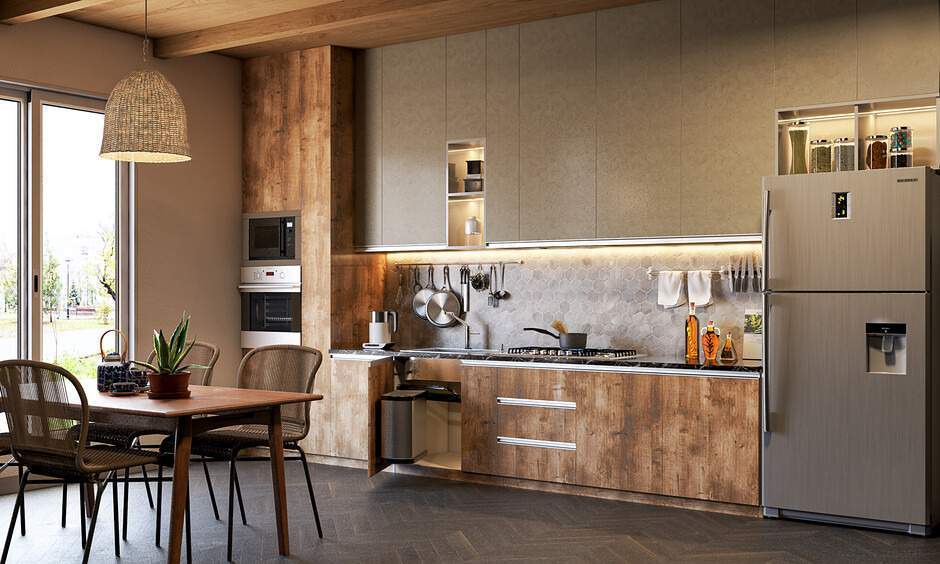
Choosing the right kitchen cabinets is one of the most important decisions in any kitchen upgrade. Cabinets shape the overall appearance, determine storage efficiency, and influence long-term durability. A thoughtful selection ensures your kitchen remains functional, attractive, and easy to maintain for years.
This guide walks you through practical factors that help you make a confident and smart cabinet choice without overspending or compromising quality.
Understand Your Kitchen Layout First
Before selecting cabinet styles or materials, analyze how your kitchen space is structured. The layout determines cabinet placement, size, and accessibility.
Common kitchen layouts include:
- L-shaped layout – ideal for open-plan kitchens and corner efficiency
- U-shaped layout – offers maximum storage and workspace
- Galley layout – perfect for compact kitchens
- Island layout – adds extra storage and seating flexibility
Choosing cabinets that complement your layout improves workflow and avoids clutter.
Choose the Right Cabinet Material
Material quality directly affects cabinet lifespan and maintenance requirements.
Popular cabinet material choices include:
Solid Wood
- Durable and long-lasting
- Premium appearance
- Higher cost but excellent value over time
Plywood
- Strong and moisture-resistant
- Ideal for Indian kitchen conditions
- Cost-effective alternative to solid wood
MDF (Medium Density Fiberboard)
- Smooth surface for painted finishes
- Budget-friendly option
- Less resistant to moisture
Laminate Cabinets
- Easy to clean
- Scratch-resistant
- Available in multiple textures and colors
For humid environments, moisture-resistant materials are usually the safest choice.
Select a Functional Cabinet Style
Cabinet style influences the visual identity of your kitchen.
Popular cabinet styles include:
- Shaker cabinets – timeless and versatile
- Flat-panel cabinets – sleek and modern appearance
- Glass-front cabinets – ideal for display sections
- Raised-panel cabinets – suitable for traditional interiors
Choose a style that matches your home’s overall décor rather than following short-term trends.
Prioritize Storage Efficiency
A well-designed cabinet system improves convenience during daily cooking.
Look for features like:
- Deep drawers for cookware
- Pull-out trays for easy access
- Corner carousel units
- Vertical dividers for trays and cutting boards
- Overhead cabinets for extra storage
Smart storage reduces kitchen clutter and saves time.
Pay Attention to Cabinet Hardware
Small hardware decisions make a big difference in long-term usability.
Consider selecting:
- Soft-close hinges
- Durable drawer channels
- Rust-resistant handles
- Easy-grip knobs
Quality hardware ensures smooth operation and reduces maintenance issues.
Choose the Right Finish for Durability
Cabinet finishes protect surfaces from stains, moisture, and scratches.
Common finishing options include:
- Matte finish – subtle and modern look
- Gloss finish – reflects light and brightens space
- Textured finish – hides fingerprints and scratches
- Acrylic finish – premium shine with durability
Select finishes based on usage intensity and cleaning convenience.
Set a Realistic Budget Before Shopping
Cabinet costs vary widely depending on materials, finishes, and customization levels.
To stay within budget:
- Compare ready-made vs custom cabinets
- Prioritize quality over decorative extras
- Invest more in base cabinets than wall cabinets
- Choose durable hardware instead of decorative upgrades
Planning expenses early prevents unexpected costs later.
Check Installation Quality Carefully
Even premium cabinets perform poorly if installation is incorrect.
Ensure:
- Cabinets are level and aligned properly
- Hinges operate smoothly
- Doors close evenly
- Wall fixtures are secure
Professional installation significantly improves cabinet lifespan.
Think About Long-Term Maintenance
Maintenance-friendly cabinets save time and effort every day.
Look for:
- Scratch-resistant finishes
- Easy-clean surfaces
- Moisture-resistant materials
- Replaceable hardware parts
Low-maintenance cabinets remain attractive for years with minimal effort.
Match Cabinets With Kitchen Lighting
Lighting affects cabinet appearance more than most homeowners expect.
Helpful lighting tips include:
- Use under-cabinet lights for better visibility
- Choose lighter cabinet colors in darker kitchens
- Combine task lighting with ambient lighting
- Avoid glossy finishes in overly bright kitchens if glare is an issue
Balanced lighting enhances both beauty and functionality.
Consider Future Needs Before Finalizing
Your kitchen should adapt to changing lifestyle needs.
Plan ahead by:
- Adding extra storage space where possible
- Choosing neutral cabinet colors
- Installing adjustable shelving
- Leaving room for future appliances
Future-ready cabinets prevent costly remodeling later.
Frequently Asked Questions (FAQs)
1. Which cabinet material lasts the longest?
Solid wood and marine-grade plywood are among the most durable options, especially in kitchens exposed to humidity and heavy use.
2. Are modular kitchen cabinets better than carpenter-made cabinets?
Modular cabinets offer faster installation, consistent quality, and modern storage features, while carpenter-made cabinets allow deeper customization depending on craftsmanship.
3. What cabinet color makes a kitchen look bigger?
Light shades like white, beige, pastel grey, and soft cream reflect light and create a spacious appearance.
4. How much storage space should kitchen cabinets provide?
Ideally, cabinets should accommodate cookware, groceries, utensils, and appliances without overcrowding. A mix of base units, wall cabinets, and tall units works best.
5. Are glossy cabinets difficult to maintain?
Glossy cabinets are easy to wipe clean but may show fingerprints more easily than matte finishes.
6. How often should kitchen cabinets be replaced?
High-quality cabinets can last 15–25 years with proper maintenance and careful usage.
7. Should kitchen cabinets reach the ceiling?
Ceiling-height cabinets maximize storage space and prevent dust accumulation on top surfaces, making them a practical modern choice.
