
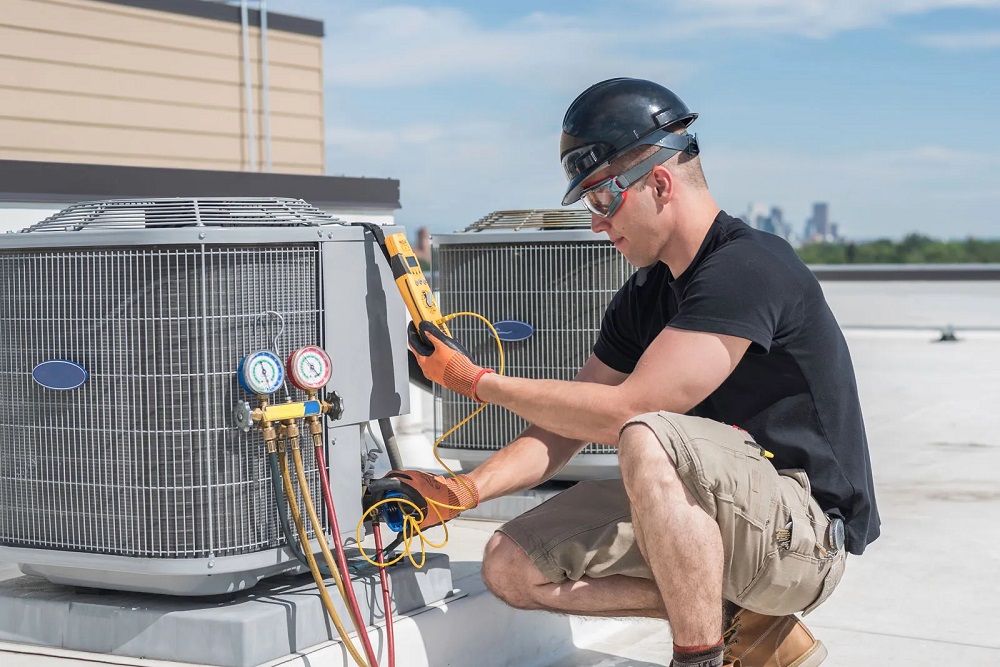
What Is HVAC and Why It Matters
HVAC stands for Heating, Ventilation, and Air Conditioning—a technology designed to maintain comfortable indoor temperature, clean airflow, and healthy humidity levels in homes, offices, hospitals, and industrial facilities.
An efficient HVAC system does more than regulate temperature. It improves indoor air quality, energy efficiency, and overall well-being. Whether in hot summers or cold winters, HVAC ensures stable indoor comfort throughout the year.
Core Purposes of HVAC Systems
- Maintain consistent indoor temperature
- Control humidity levels
- Improve air circulation
- Remove dust, allergens, and pollutants
- Enhance energy efficiency
Modern HVAC solutions are essential for both residential and commercial environments, especially in regions experiencing extreme seasonal weather conditions.
Main Components of an HVAC System
Understanding the basic components helps homeowners make better maintenance and upgrade decisions.
1. Heating Unit
The heating element warms indoor spaces during colder months. Common heating sources include:
- Furnaces
- Heat pumps
- Boilers
These systems distribute warm air through ducts or radiators.
2. Ventilation System
Ventilation removes stale indoor air and replaces it with fresh outdoor air. It helps control:
- Moisture
- Odors
- Smoke
- Airborne contaminants
Proper ventilation supports healthier indoor environments.
3. Air Conditioning Unit
The cooling component extracts indoor heat and releases it outdoors. It typically includes:
- Compressor
- Condenser coil
- Evaporator coil
- Refrigerant
Together, these elements regulate indoor temperature efficiently.
4. Thermostat
The thermostat acts as the control center of the HVAC system. Smart thermostats allow users to:
- Schedule temperature changes
- Reduce energy consumption
- Monitor performance remotely
5. Ductwork
Ducts distribute conditioned air throughout the building. Well-sealed ducts improve airflow and reduce energy waste.
Types of HVAC Systems
Different buildings require different HVAC configurations depending on size, layout, and climate conditions.
Split Systems
These are the most common residential systems.
They include:
- Indoor furnace or air handler
- Outdoor condenser unit
Advantages
- Cost-effective installation
- Reliable performance
- Easy maintenance
Ductless Mini-Split Systems
Ideal for homes without ductwork.
Benefits include
- Energy savings
- Zone-based temperature control
- Quiet operation
Perfect for apartments, renovations, or small offices.
Packaged HVAC Systems
All components are combined into one outdoor unit, usually placed on rooftops or building exteriors.
Common in:
- Small commercial spaces
- Compact residential properties
Hybrid HVAC Systems
Hybrid systems combine electric heat pumps and gas furnaces, switching automatically based on efficiency needs.
They provide:
- Lower energy bills
- Flexible operation
- Environment-friendly performance
How HVAC Systems Improve Indoor Air Quality
Indoor air quality directly affects health, productivity, and comfort.
HVAC systems improve air quality by:
- Filtering airborne particles
- Removing humidity
- Circulating fresh air
- Preventing mold formation
Installing high-efficiency air filters significantly enhances performance, especially for allergy-sensitive households.
Energy Efficiency Tips for HVAC Systems
Optimizing HVAC efficiency helps reduce electricity bills and extend system lifespan.
Practical Energy-Saving Strategies
- Replace air filters every 1–3 months
- Install a programmable thermostat
- Seal leaking duct connections
- Schedule annual professional servicing
- Keep outdoor condenser units clean
- Improve insulation around doors and windows
Even small adjustments can lead to noticeable energy savings over time.
Signs Your HVAC System Needs Maintenance
Recognizing early warning signs prevents expensive repairs later.
Watch for:
- Weak airflow
- Unusual noises
- Uneven room temperatures
- Rising electricity bills
- Frequent cycling on and off
- Strange odors from vents
Prompt servicing ensures consistent performance and system longevity.
Benefits of Installing a Modern HVAC System
Upgrading outdated HVAC equipment delivers several advantages.
Key Benefits
Improved Comfort
Maintains consistent indoor temperature throughout the building.
Lower Energy Costs
Modern systems operate with higher efficiency ratings.
Better Air Quality
Advanced filtration removes pollutants and allergens.
Smart Control Features
Allows remote monitoring and automation
Environmentally Responsible Operation
Uses energy more efficiently and reduces emissions.
Choosing the Right HVAC System for Your Space
Selecting the ideal HVAC setup depends on several important factors.
Consider:
- Building size
- Climate conditions
- Budget range
- Insulation quality
- Energy efficiency ratings
- Maintenance requirements
Consulting qualified professionals ensures correct sizing and installation.
HVAC Maintenance Checklist for Homeowners
Routine maintenance extends equipment lifespan and improves efficiency.
Monthly Tasks
- Inspect air filters
- Check thermostat accuracy
- Ensure vents remain unobstructed
Seasonal Tasks
- Clean condenser coils
- Inspect ductwork leaks
- Test airflow consistency
- Remove debris around outdoor units
Preventive maintenance reduces unexpected breakdowns and improves performance reliability.
Future Trends in HVAC Technology
HVAC systems are evolving rapidly with smart and sustainable innovations.
Emerging developments include:
- AI-powered climate optimization
- Smart home integration
- Solar-assisted HVAC systems
- Advanced air purification technologies
- Eco-friendly refrigerants
These advancements make HVAC systems more efficient, intelligent, and environmentally responsible.
Frequently Asked Questions (FAQs)
1. How often should HVAC filters be replaced?
Most residential filters should be replaced every 1–3 months, depending on usage and indoor air conditions.
2. What size HVAC system is best for a home?
System size depends on building area, insulation quality, ceiling height, and climate. Professional load calculations ensure accurate sizing.
3. Can HVAC systems reduce indoor humidity?
Yes. Air conditioning components remove excess moisture, helping maintain comfortable humidity levels.
4. Is it normal for HVAC systems to make noise during operation?
Mild operational sounds are normal, but loud or unusual noises may indicate mechanical issues requiring inspection.
5. Do smart thermostats really save energy?
Yes. Smart thermostats optimize temperature scheduling and reduce unnecessary system operation.
6. How long does a typical HVAC system last?
With proper maintenance, most systems last 10–20 years, depending on usage and installation quality.
7. What temperature setting is ideal for energy efficiency?
Setting the thermostat between 24°C and 26°C during summer and slightly lower in winter balances comfort with energy savings.
