
A well-maintained roof is essential to the structural integrity and comfort of your home. It serves as the first line of defense against the elements, shielding your home from rain, snow, wind, and harsh UV rays. However, as your roof ages, it may begin to show signs of wear and tear. While some issues are more obvious, others can be subtle and harder to detect without a closer inspection. If you’re concerned about the condition of your roof, it’s crucial to identify whether it’s missing essential repair elements that could lead to costly damage down the road.
In this article, we will explore the essential repair elements that often go overlooked in roofing maintenance. From missing or damaged shingles to improper flashing and poor ventilation, these issues can undermine the performance of your roof if left unaddressed. We’ll also provide insight into how these issues manifest, the risks they pose, and how to ensure that your roofing system remains in peak condition.
1. Missing or Damaged Shingles: A Common Culprit
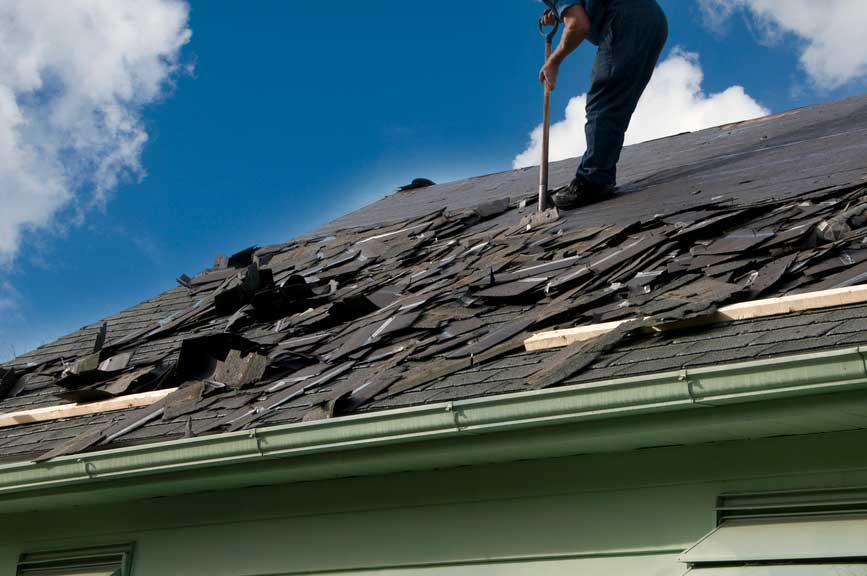
Shingles are one of the most prominent features of a roof, serving both functional and aesthetic purposes. When shingles become damaged or go missing, your roof becomes vulnerable to water infiltration. Missing shingles can occur due to various factors, such as high winds, hail, or simply the natural aging process of the material.
How Missing or Damaged Shingles Affect Your Roof
The absence of shingles creates gaps in the roof’s coverage, which allow rainwater or snowmelt to seep into the underlying layers of the roof. Over time, water infiltration can lead to rot, mold growth, and leaks inside your home. Additionally, shingles that are cracked, curled, or worn thin can lose their ability to repel water, further increasing the risk of water damage.
Repair Solution
If you notice that shingles are missing or damaged, it’s essential to have them replaced promptly. A professional roofing contractor can replace the shingles and assess the overall condition of your roof to determine if there are any other underlying issues. Regular roof inspections, particularly after severe weather, can help identify and address these problems early, preventing more significant damage in the future.
2. Faulty or Missing Flashing: The Unsung Hero of Your Roof
Flashing is a crucial element of roofing that is often overlooked but plays a vital role in waterproofing. Flashing is the material—often metal—that is installed around roof penetrations such as chimneys, skylights, and vents. It helps direct water away from these vulnerable areas, preventing leaks and water damage.
The Risks of Faulty Flashing
If your roof flashing is damaged, corroded, or missing altogether, water can seep into the gaps, leading to significant issues like leaks in the attic, mold, and wood rot. In some cases, damaged flashing can also cause issues with the roof’s overall integrity, resulting in costly repairs.
Repair Solution
Regularly inspect the flashing around chimneys, skylights, vents, and other roof penetrations to ensure it’s secure and intact. If you notice that the flashing has corroded or is missing, it’s essential to have it replaced or repaired immediately. An experienced roofing professional will use high-quality materials to install or replace flashing, ensuring that your roof is properly sealed and protected from water damage.
3. Improper Ventilation: A Silent Roof Killer
Roof ventilation is an often-overlooked component of roof maintenance, but it plays a critical role in regulating temperature and moisture levels in your attic. Proper ventilation helps to maintain a balanced airflow, which prevents excess heat and humidity from building up. Without adequate ventilation, your roof and attic can experience a host of problems, from premature shingle deterioration to mold growth.
The Consequences of Poor Ventilation
Poor ventilation can lead to trapped heat, which causes shingles to warp or crack. In addition, excessive moisture can accumulate in the attic, leading to mold growth, wood rot, and even structural damage. Over time, these issues can compromise the integrity of your entire roofing system, resulting in costly repairs and potential health hazards.
Repair Solution
If your home’s attic is not properly ventilated, it’s important to address this issue immediately. A professional roofer can assess your attic’s ventilation system and recommend appropriate fixes, such as installing ridge vents, soffit vents, or attic fans. Proper ventilation helps maintain the lifespan of your roof and prevents unnecessary damage from excessive heat or moisture.
4. Clogged or Inefficient Gutters: A Direct Path to Roof Damage
Gutters play a pivotal role in ensuring that rainwater is directed away from your home’s foundation and roof. They channel water from the roof to downspouts, preventing water from pooling and seeping into the structure. However, clogged or poorly installed gutters can lead to severe water damage and even affect the stability of your roof.
The Impact of Clogged or Inefficient Gutters
When gutters become clogged with leaves, twigs, and other debris, they can no longer function properly. Water can overflow and pool on the roof, leading to water infiltration, rot, and even the formation of ice dams in colder climates. Overflowing gutters can also cause damage to the fascia, soffits, and siding, potentially leading to costly repairs.
Repair Solution
Ensure that your gutters are regularly cleaned and maintained. Ideally, this should be done at least twice a year—once in the spring and again in the fall—to prevent debris buildup. Additionally, if your gutters are showing signs of damage or inefficiency, consider having them repaired or replaced. Installing gutter guards can help prevent debris from entering the gutters and reduce the frequency of cleaning required.
5. Roof Decking and Underlayment: Protecting the Foundation of Your Roof
While the shingles and flashing are the visible components of a roof, the decking and underlayment are crucial for maintaining the roof’s overall integrity. The decking, typically made of plywood or OSB (oriented strand board), forms the base layer of the roof, while the underlayment provides an additional barrier between the roof deck and shingles. Both elements help protect the roof from water and moisture damage.
Risks of Damaged Decking or Underlayment
If the decking or underlayment becomes damaged, it can compromise the entire roof system. For example, water can seep through gaps or weakened spots in the decking, leading to rot and mold. If left unchecked, this can result in structural instability and the need for extensive repairs.
Repair Solution
Regular inspections can help identify any damage to the decking or underlayment early. If damage is found, it’s important to have the affected areas replaced or repaired by a professional roofing contractor. This ensures that the structural integrity of your roof is maintained, preventing further damage and extending the life of your roof.
6. Insufficient Insulation: A Lesser-Known Roofing Issue
While insulation is typically associated with the interior of your home, it also plays a crucial role in maintaining the health of your roof. Insufficient insulation can lead to ice dams, poor temperature regulation in the attic, and increased energy bills.
The Risks of Poor Insulation
If your attic is not adequately insulated, warm air from the living spaces can escape into the attic, causing snow on the roof to melt. As the melted water runs down and refreezes at the edge of the roof, it creates ice dams, which block proper drainage and can lead to water backup and damage.
Repair Solution
To resolve insulation issues, consider having a professional inspect the attic and add insulation as necessary. Proper attic insulation will help maintain a balanced temperature, reduce the risk of ice dams, and improve your home’s energy efficiency.
Conclusion: Don’t Let Your Roof Go Unchecked
Your roof is one of the most important components of your home, providing essential protection against the elements. However, even the most well-built roofs require maintenance and repair over time. From missing shingles and damaged flashing to poor ventilation and clogged gutters, several factors can undermine your roof’s performance.
To avoid costly repairs and extend the lifespan of your roof, it’s essential to stay proactive about roof maintenance. Regular inspections, prompt repairs, and timely upgrades will keep your roofing system functioning at its best, ensuring that your home remains safe, comfortable, and protected for years to come. If you’re unsure whether your roof is missing any essential repair elements, consulting with a professional roofer can provide valuable insight and help you make informed decisions about your home’s needs.
