
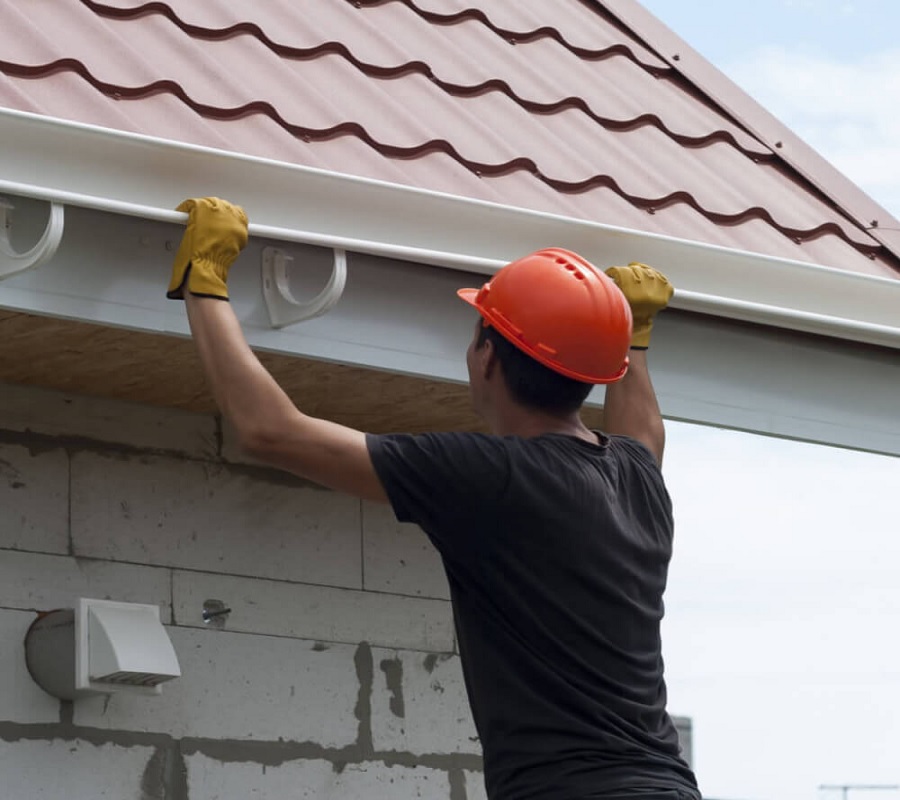
When it comes to roofing, homeowners often find themselves faced with a multitude of choices—ranging from the material and style of the roof to the additional systems that complement and enhance its functionality. Two essential components that play significant roles in the overall performance of your roofing system are roof installation and gutters. While both elements are crucial for protecting your home from water damage, understanding their differences, benefits, and how they work together can help you make more informed decisions for your home.
In this article, we’ll explore the distinction between roof installation and gutters, comparing their functions, benefits, and importance in the context of roofing. By the end, you’ll be better equipped to decide which is best suited for your needs—or if the two need to work in tandem for optimal results.
Roof Installation: The Foundation of a Secure Home
Roof installation refers to the process of constructing or replacing the roof of a building. It involves several key steps, including choosing roofing materials, preparing the structure, and ensuring that the roof is waterproof, durable, and energy-efficient. Roof installation is the foundational aspect of any roofing system, as it directly affects the integrity of the home, protecting it from the elements and contributing to overall structural stability.
The Importance of Proper Roof Installation
-
Protection from Weather Elements
The primary function of a roof is to protect your home from external elements such as rain, snow, wind, and sunlight. Proper roof installation ensures that your home remains safe and dry, regardless of the weather outside. A well-installed roof can prevent water infiltration, which, if left unchecked, can lead to leaks, mold, and structural damage. In climates that experience extreme weather conditions, the quality of the roof installation is especially crucial for safeguarding your home. -
Energy Efficiency
In addition to its protective qualities, a properly installed roof contributes to energy efficiency by helping to regulate indoor temperatures. Insulation, ventilation, and the materials used during installation all play significant roles in reducing heating and cooling costs. For example, materials such as asphalt shingles or metal roofing can reflect sunlight and reduce heat absorption, while good ventilation ensures that hot air doesn’t accumulate in the attic, preventing excessive heat buildup. -
Longevity and Durability
A high-quality roof installation can extend the lifespan of your roof, reducing the need for frequent repairs or replacements. Professional installation ensures that your roofing system is designed to withstand the test of time, maintaining its integrity even after years of exposure to the elements. Proper installation also prevents common issues such as sagging, poor drainage, or inadequate ventilation that can shorten the lifespan of your roof. -
Aesthetic Appeal
Aside from its functional role, roof installation plays an important part in the overall curb appeal of your home. The choice of materials, colors, and styles can significantly impact the visual appeal of your property. Whether you opt for traditional asphalt shingles, sleek metal roofing, or a more modern option like slate or tile, the installation process allows you to achieve a roof that complements the design of your home.
Challenges with Roof Installation
While roof installation offers a wealth of benefits, it is a complex process that requires expertise. Mistakes during installation can lead to costly repairs and even damage to the interior of your home. Problems such as improperly installed flashing, poorly aligned shingles, or gaps in the roof can lead to leaks and water damage. Therefore, it is crucial to hire a skilled and experienced roofing professional to ensure that the installation process is done right.
Gutters: A Vital Component for Water Management
Gutters are an essential part of a roofing system, designed to channel rainwater away from the roof and foundation of your home. While gutters are not technically part of the roof itself, they are intimately connected to its performance. They collect and direct water from the roof, preventing damage to the structure of your home.
The Importance of Gutters in Roofing Systems
-
Preventing Water Damage
One of the primary functions of gutters is to prevent water from pooling on the roof or accumulating near the foundation of your home. Without gutters, rainwater could seep into the walls and roof structure, leading to potential leaks, rot, and mold growth. Over time, this water damage can weaken the structural integrity of your home. Gutters help to prevent these issues by redirecting the water away from vulnerable areas, protecting your investment. -
Protecting Landscaping and Foundations
Water runoff can also harm your landscaping and the foundation of your home. Excess water can erode soil, cause flooding in flower beds, and contribute to uneven settling of the foundation. Gutters direct the water to downspouts, ensuring that it flows away from the house and does not cause landscaping or foundation damage. In addition, well-maintained gutters can prevent soil erosion and reduce the risk of cracks forming in the foundation due to water infiltration. -
Preventing Ice Dams
In colder climates, gutters play a vital role in preventing the formation of ice dams. Ice dams form when melted snow refreezes at the edge of the roof, blocking the flow of water through the gutters. This can cause water to back up under shingles, leading to leaks and damage. By keeping gutters clean and free of debris, you can ensure that water flows freely, reducing the risk of ice dams. -
Maintaining the Roof’s Integrity
Gutters also help maintain the roof’s integrity by preventing excessive water buildup on the roof. When gutters are clogged or improperly installed, water can collect on the roof’s surface, leading to potential leaks or sagging. Well-functioning gutters, on the other hand, allow water to flow smoothly and prevent unnecessary strain on the roofing material.
Challenges with Gutters
While gutters are essential for water management, they are often overlooked in terms of maintenance. Over time, gutters can become clogged with leaves, debris, and other materials, which can obstruct the flow of water. Clogged gutters can lead to water backup, which increases the risk of water damage to both the roof and the foundation. Regular cleaning and maintenance of gutters are essential to ensure that they function properly and continue to protect your home.
Installation vs. Gutters: Which is More Important?
When comparing roof installation and gutters, it’s important to recognize that both are essential to the overall performance and longevity of your roofing system. While roof installation is the foundation of your home’s protection, gutters play a complementary role in managing water flow and preventing damage.
-
Roof Installation: The Primary Defense
A properly installed roof is crucial for protecting your home from the elements. It ensures that your home remains dry, energy-efficient, and structurally sound. Without a solid roof installation, your home is vulnerable to leaks, drafts, and water damage. In essence, roof installation is the primary defense against external elements, and without it, gutters would have little purpose. -
Gutters: Essential for Water Management
While roof installation ensures that your home stays dry, gutters are responsible for managing water flow away from your home. They protect your home’s foundation, landscaping, and interior from water damage by directing water away from the structure. Gutters are an essential complement to a well-installed roof, as they prevent water from accumulating in areas where it could cause damage.
Conclusion
In roofing, both installation and gutters are indispensable components of a functional and durable system. A well-installed roof provides the essential protection your home needs against the elements, while gutters ensure that water is managed properly to prevent potential damage to the structure. Neither system can function optimally without the other, and a balance of both is crucial for maintaining the integrity, comfort, and value of your home.
When considering improvements to your roofing system, remember that roof installation and gutters are equally important investments. A high-quality roof installation will ensure your home remains safe, while gutters will protect your home from the potentially harmful effects of water runoff. By prioritizing both, you’ll be taking a proactive approach to safeguarding your home for years to come.
