
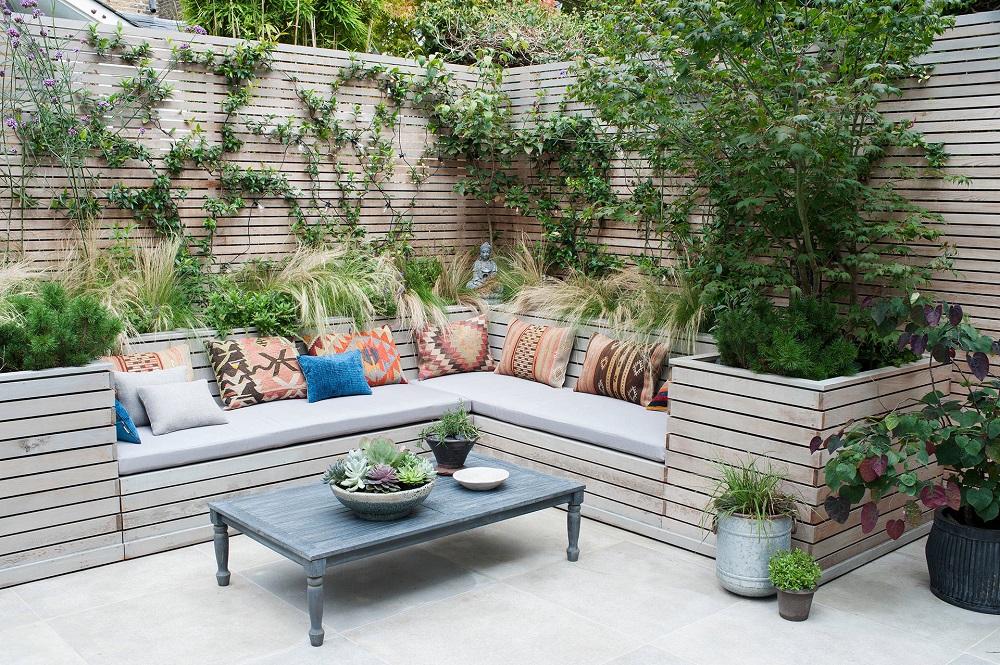
Designing a functional outdoor garden space is more than arranging plants and furniture—it’s about shaping an environment that supports relaxation, productivity, entertainment, and visual harmony. Whether you have a compact backyard or a spacious lawn, a thoughtfully planned garden can become a valuable extension of your home.
This guide walks through practical steps to create a garden that is beautiful, usable, and easy to maintain throughout the year.
Understanding Your Garden’s Purpose
Before selecting plants or décor, determine how the space will be used. A functional garden should match your lifestyle.
Consider whether your garden will serve as:
- A relaxation retreat
- A family gathering space
- A vegetable growing area
- A workspace or reading corner
- A play area for children
- A multi-purpose entertainment zone
Defining your goals helps shape layout decisions and prevents overcrowding the space with unnecessary elements.
Planning the Layout for Efficiency
A successful garden layout balances accessibility with visual appeal. Divide the area into purposeful zones that flow naturally from one section to another.
Helpful layout strategies include:
- Creating clear walking pathways
- Placing seating in shaded areas
- Separating utility and decorative zones
- Positioning taller plants at the back
- Keeping open space for movement
Zoning improves usability while maintaining a structured and uncluttered appearance.
Choosing the Right Plants for Your Environment
Plant selection should support both aesthetics and practicality. Choose species suited to your climate and maintenance availability.
Smart planting choices include:
- Native plants that adapt easily to local conditions
- Perennials for long-term greenery
- Herbs and vegetables for functional value
- Shade trees for cooling benefits
- Flowering plants for seasonal color variation
Layering plants by height creates depth and keeps the garden visually balanced.
Creating Comfortable Seating Areas
A garden becomes truly functional when it invites people to stay longer.
To enhance comfort:
- Use weather-resistant seating
- Add cushions or outdoor rugs
- Include shade structures like pergolas or umbrellas
- Position seating near greenery rather than walls
- Ensure pathways connect seating zones easily
Even a small seating corner can transform the usability of your garden dramatically.
Installing Practical Lighting Solutions
Lighting extends garden usability beyond daylight hours and improves safety.
Effective lighting ideas include:
- Solar pathway lights
- Hanging string lights
- Wall-mounted fixtures
- Accent lighting for plants
- Motion-sensor lights near entrances
Warm lighting creates a welcoming atmosphere without overwhelming the space.
Adding Functional Hardscaping Elements
Hardscaping provides structure and improves movement within the garden.
Useful additions include:
- Stone or brick pathways
- Raised planting beds
- Retaining walls
- Decking platforms
- Gravel seating zones
These features reduce maintenance effort and prevent soil erosion in high-traffic areas.
Improving Privacy and Shade Naturally
Privacy enhances comfort and encourages regular use of outdoor spaces.
Natural privacy solutions include:
- Tall hedges
- Bamboo screens
- Vertical gardens
- Climbing plants on trellises
- Shade trees along boundaries
These options blend seamlessly into the garden while maintaining airflow.
Including Storage Without Compromising Aesthetics
Garden tools and accessories should remain accessible but hidden.
Smart storage solutions:
- Compact wooden storage benches
- Wall-mounted racks
- Corner storage units
- Decorative garden cabinets
Integrated storage keeps the garden tidy and functional.
Supporting Sustainability in Your Garden
A functional garden should also support environmental efficiency.
Simple sustainable practices:
- Install rainwater collection systems
- Use compost from kitchen waste
- Choose drought-resistant plants
- Apply organic mulch to retain moisture
- Reduce lawn size where possible
Sustainable gardening lowers maintenance costs and conserves natural resources.
Maintaining Your Outdoor Garden Space Efficiently
Consistency keeps your garden enjoyable throughout the year.
Create a routine that includes:
- Weekly plant inspection
- Seasonal pruning
- Cleaning pathways
- Refreshing mulch layers
- Checking lighting fixtures
Regular upkeep prevents small issues from becoming major repairs.
FAQ
1. How do I design a garden if I have limited space?
Focus on vertical planting, compact furniture, and multi-purpose zones to maximize usability without overcrowding.
2. What is the best surface material for garden pathways?
Gravel, natural stone, and brick are durable options that support drainage and require minimal maintenance.
3. How can I make my garden usable during hot weather?
Install shade structures, plant trees strategically, and include water features to reduce surrounding temperature naturally.
4. What type of outdoor furniture lasts the longest?
Metal, treated hardwood, and synthetic rattan furniture perform well in changing weather conditions.
5. How do I reduce garden maintenance time?
Use native plants, install drip irrigation, reduce lawn areas, and apply mulch to retain soil moisture.
6. Can I combine decorative plants with edible plants in one garden?
Yes. Mixing herbs, vegetables, and ornamental plants improves biodiversity and enhances visual appeal.
7. How often should outdoor garden lighting be replaced or checked?
Inspect lighting every few months and replace solar batteries annually to maintain performance.
