
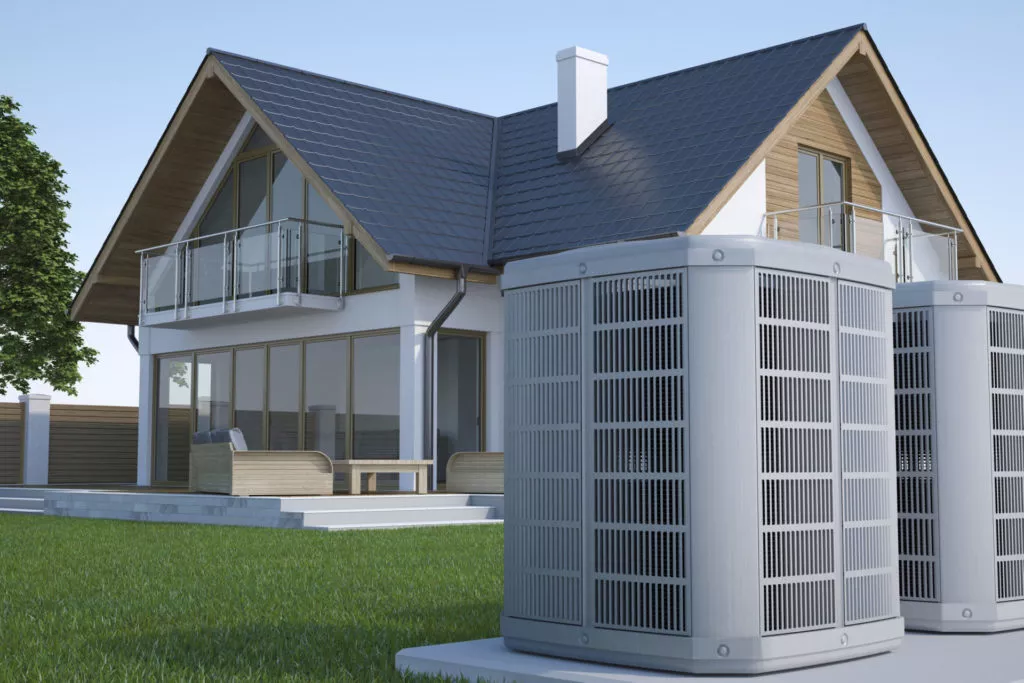
Your home is not just a place to sleep—it is a sanctuary where you should feel at ease throughout the seasons. Achieving this level of comfort hinges, in large part, on your home’s heating and cooling systems. From the sweltering heat of summer to the freezing cold of winter, having effective temperature control is crucial. However, improving your home’s climate comfort involves more than simply installing air conditioners or heating systems. It requires careful consideration of your needs, the space you are working with, and most importantly, understanding how to optimize the performance of these systems.
In this guide, we will explore how you can improve your home with a combination of heating and cooling strategies. From choosing the right systems and upgrading insulation to incorporating smart technologies, we will cover the best methods for creating an environment that is comfortable year-round while being energy efficient and cost-effective.
Understanding the Importance of Effective Heating and Cooling
Before diving into the various methods of improving your home’s heating and cooling, it’s essential to understand the underlying importance of these systems. Temperature regulation affects every part of your life—from sleep quality to productivity. Maintaining a comfortable environment within your home improves physical and mental well-being and contributes to a higher quality of life.
Additionally, a well-functioning heating and cooling system helps maintain your home’s structural integrity. Uncontrolled temperature fluctuations can cause condensation in your home, leading to mold growth or damage to walls, wood floors, and furniture. The right climate control systems prevent such issues and protect your home’s value.
Choosing the Right Heating and Cooling Systems
The first step in improving your home’s temperature control is selecting the right systems for your space. Various options are available, each suited to different home sizes, designs, and personal preferences. Let’s explore the most common types of heating and cooling systems:
1. Central Air Conditioning and Heating Systems
For larger homes or those with multiple rooms, a central air conditioning and heating system offers the most comprehensive solution. Central systems work by circulating conditioned air throughout the home via ducts, providing uniform temperature control.
-
Heating: Central heating often uses a furnace that can run on electricity, gas, or oil. The furnace heats air that is then distributed through ducts to each room in the house.
-
Cooling: Air conditioning units that are integrated with central heating provide cooling in the summer by using refrigerants to cool and dehumidify the air. These systems are ideal for those who need consistent temperature control throughout the year.
2. Ductless Mini-Split Systems
For homes that don’t have existing ducts or for room additions, a ductless mini-split system is an excellent choice. This system consists of an outdoor unit connected to one or more indoor air-handling units. Each indoor unit can be controlled separately, providing individualized temperature control for each room.
-
Heating and Cooling: Mini-split systems offer both heating and cooling capabilities, making them ideal for homes that need flexibility. The system uses heat pump technology, which extracts heat from the outside air, even in colder temperatures, and distributes it indoors.
3. Radiant Floor Heating
Radiant floor heating is a popular solution in homes with tile, stone, or hardwood flooring. This system works by heating the floor directly, which then radiates warmth upward into the room. Radiant heating is commonly used in bathrooms, kitchens, and basements, offering a consistent and comfortable heat source.
-
Heating: Electric coils or warm water running through pipes beneath the floor heat the space. This method is particularly energy-efficient since it avoids the loss of heat through ductwork.
4. Smart Thermostats
While not a system in and of itself, installing a smart thermostat is a wise upgrade to enhance the performance of your heating and cooling systems. Smart thermostats can be programmed to adjust the temperature based on your schedule, ensuring that you’re not wasting energy when you’re not home.
-
Efficiency: Many smart thermostats, such as the Nest or Ecobee, allow for remote control via your smartphone, so you can adjust the temperature from anywhere. They also learn your preferences and adjust the heating and cooling cycles accordingly, making them a great way to save on energy bills.
Upgrading Insulation and Sealing Air Leaks
Even with the most efficient heating and cooling systems, a home’s comfort can be compromised by poor insulation and air leaks. To get the most out of your systems, you need to ensure that the home is sealed tightly and properly insulated.
1. Insulation
Proper insulation in your attic, walls, and floors plays a key role in regulating indoor temperatures. Insulation helps retain heat during the winter and keeps your home cool in the summer. By upgrading or installing insulation, you reduce the burden on your heating and cooling systems, leading to reduced energy consumption and lower utility bills.
-
Types of Insulation: Common types of insulation include fiberglass batt, spray foam, cellulose, and rigid foam boards. Each type offers specific benefits depending on the area of your home that needs insulation. For instance, spray foam insulation provides an excellent air seal, making it perfect for sealing cracks and gaps in hard-to-reach areas.
2. Air Sealing
Air leaks around windows, doors, and even outlets can result in significant temperature loss. Sealing these leaks with caulk, weatherstripping, or foam insulation will help your heating and cooling systems work more efficiently.
-
Windows and Doors: Ensure that your windows and doors are tightly sealed to prevent drafts. Consider upgrading to double-glazed windows or installing storm doors to enhance insulation.
-
Attic Ventilation: A poorly ventilated attic can cause heat buildup, which can make cooling your home more difficult. Ensuring proper ventilation in the attic will help regulate temperatures throughout your home.
Energy-Efficient Tips for Heating and Cooling
Once you’ve selected your systems and optimized insulation, there are additional steps you can take to ensure your home’s heating and cooling systems are operating as efficiently as possible:
1. Routine Maintenance
Like any other system, heating and cooling units require regular maintenance to operate efficiently. Scheduling annual service visits from a professional technician ensures that your systems are clean, free of debris, and functioning correctly. This helps avoid costly repairs and extends the life of your equipment.
-
Air Filters: Regularly replace or clean air filters to maintain proper airflow and prevent the system from overworking.
-
Coil Cleaning: Air conditioners and heat pumps rely on coils to dissipate heat. Over time, these coils can collect dust, reducing their efficiency. A technician will clean these components to maintain optimal performance.
2. Zoned Heating and Cooling
Zoned heating and cooling allows you to control the temperature in different parts of your home individually. This feature can be especially helpful in larger homes with rooms that have different temperature needs. For example, you can keep the living room warm in the winter while the bedrooms remain cooler.
-
Smart Zoning: Many modern HVAC systems now offer zoning capabilities through smart thermostats and multi-zone systems. These systems can be adjusted based on room usage, ensuring comfort and energy savings.
The Benefits of Proper Heating and Cooling
Investing in proper heating and cooling systems, along with insulation and regular maintenance, yields numerous benefits:
-
Improved Comfort: A well-regulated temperature enhances overall comfort, ensuring that your home is consistently pleasant throughout the year.
-
Energy Savings: Efficient systems and proper insulation reduce energy consumption, leading to lower utility bills.
-
Environmental Impact: By using energy-efficient systems and reducing consumption, you are contributing to a greener planet.
-
Increased Home Value: Homes with well-maintained and efficient heating and cooling systems are more attractive to potential buyers, increasing the resale value.
Conclusion
Improving your home’s heating and cooling systems isn’t just about comfort; it’s about long-term sustainability, energy efficiency, and cost savings. From selecting the right systems to optimizing insulation and sealing air leaks, each step in the process plays a vital role in improving your home’s temperature control. By investing in proper installation, regular maintenance, and energy-efficient upgrades, you will not only create a more comfortable living environment but also enhance your home’s overall value and performance for years to come.
